
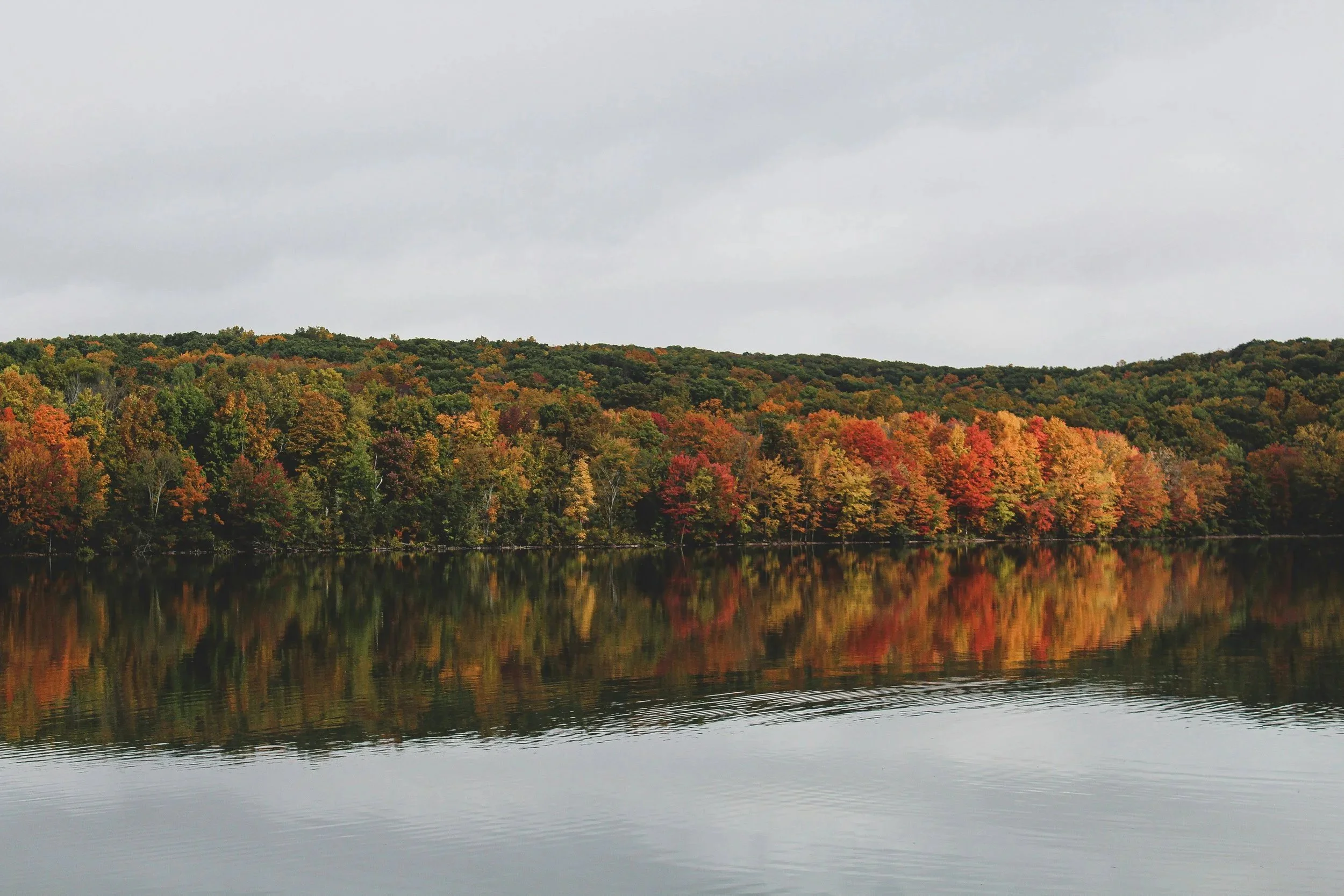
BUILDING IN NEW ENGLAND
Field Report brings a bicoastal design sensibility to New England - grounded in the region's deep building culture, material honesty, and enduring sense of place. Led by co-founder Joe Tracy, who grew up here and trained at the University of Hartford, our New England practice combines the precision and craft-focus the region demands with the clean, contemporary design language that defines our work across the country.
WHAT MAKES BUILDING IN NEW ENGLAND UNIQUE?
New England's built environment rewards restraint and durability. The climate is demanding — cold winters, humid summers, and coastal exposure in many of our project locations — and the region's architectural heritage sets a high bar for quality and contextual sensitivity. Clients here tend to care deeply about how a building will age, how it relates to its neighbors, and how it performs over the long term.
Our projects in the region range from modern custom homes on the Rhode Island coast to hospitality renovations in Connecticut and Massachusetts. In every case, we bring the same approach: respond to the site, honor the climate, and build something that will last.
OUR APPROACH
We're not parachuting in. Our roots in New England mean we have genuine familiarity with local permitting processes, regional contractors, and the specific material and construction considerations that come with building here. We supplement that with the full resources of our Seattle studio - advanced documentation, 3D visualization, and a track record of delivering complex projects for high-expectations clients.
Regular updates. Video calls, detailed drawings, and site photos keep you connected at every stage regardless of where you're located.
Local knowledge. We work with trusted New England contractors and consultants who understand regional building codes, coastal regulations, and historic district requirements.
Planning ahead. Permitting in New England can be complex, particularly for coastal or historically sensitive sites. We build that time into the schedule from the start.
PLACE-BASED ARCHITECTURE
New England has one of the richest building traditions in the country, and working here means engaging with that honestly. We're not interested in importing a Pacific Northwest aesthetic and dropping it on a Rhode Island hillside. Good design in New England means understanding the vernacular - the way buildings sit close to the ground, the material choices that hold up against salt air and freeze-thaw cycles, the fenestration strategies that make the most of northern light - and then finding the contemporary expression that belongs to this particular site and this particular client.
Our New England projects tend to favor natural materials with proven longevity: stone, timber, zinc, wood. We design for durability first, knowing that a building that performs well for fifty years is ultimately more beautiful than one that photographs well for five.
The result is architecture that feels at home in New England without being trapped by it.
FAQ
Where in New England do you work? Primarily Rhode Island, Connecticut, Maine, and Massachusetts, though we're open to projects throughout the region.
Do you work with local contractors? Yes - and we prefer it. Local teams understand regional material availability, climate conditions, and code requirements far better than anyone brought in from outside.
Are you licensed in New England states? Joe Tracy, Field Report's New England principal, is a Registered Architect in Rhode Island. We work with licensed local associates in Connecticut and Massachusetts, and are actively expanding our direct licensure across the region. Contact us to discuss your project and timeline.
What types of projects do you take on in New England? Primarily custom residential - new homes, additions, and renovations - along with select hospitality and commercial projects that align with our portfolio.
How do you handle historic district or design review requirements? Carefully and proactively. New England has some of the most active historic commissions in the country, and we treat them as a design constraint to work with rather than a bureaucratic obstacle. We've found that early engagement with local boards - understanding their priorities before submitting anything - consistently produces better outcomes than a confrontational approach.
Do you design in a regional style, or do you bring a Pacific Northwest aesthetic? Neither, exactly. We respond to each site - its climate, materials, and neighbors. A Field Report project in Rhode Island doesn't necessarily look like one in Seattle, because it shouldn't. What carries over is the level of craft, the attention to how a building performs, and the effort we put into understanding what makes a particular place worth designing for.
Field Report also works in Seattle and the San Juan Islands, Walla Walla, and beyond.